TRANSIT & EMERGENCY MOBILITY
Jacksonville Bus and Emergency Mobility Lanes: A Responsible Plan
By Fitz Desprez · September 12, 2026
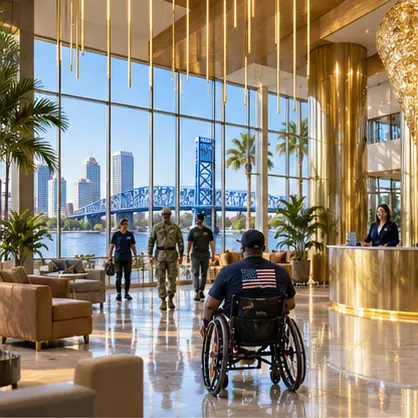
Time matters when a worker is trying to reach a job, a student is trying to reach class, or an ambulance is trying to reach a patient. Jacksonville should study transit-priority corridors that improve bus reliability and, where engineering, law, and emergency protocols permit, support safe emergency access. This must be a corridor-by-corridor transportation plan—not a promise to repaint every major road.


Define the purpose before selecting the lane
A successful priority lane must solve a documented problem: unreliable bus travel, recurring congestion, delayed emergency movement, dangerous merging, or poor access to major destinations. The city and its transportation partners should publish existing conditions and the outcome a proposed pilot is expected to improve.
Some corridors may benefit from a full-time dedicated lane; others may require peak-hour priority, queue jumps, signal priority, shoulder use, or intersection changes. The design should follow evidence rather than a single template.
Emergency access requires professional agreement
Shared use by emergency vehicles should occur only where traffic engineering, public-safety agencies, applicable law, lane width, barriers, intersections, and operating procedures make it safe. Police, fire, emergency medical, transit, and roadway professionals must agree on protocols before implementation.
A lane cannot be advertised as an emergency solution if buses, stopped vehicles, physical barriers, or unclear rules would create new hazards. Training, signs, enforcement, dispatch coordination, and public education are essential.
Make buses reliable for people who depend on them
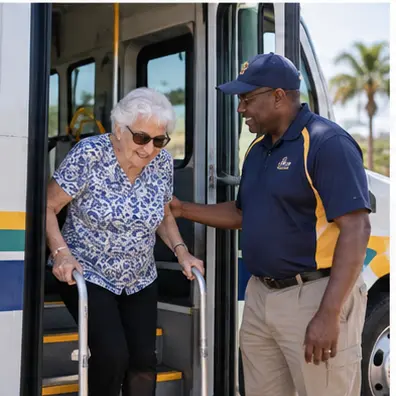
Transit reliability affects employment, healthcare, education, shopping, and family responsibilities. Riders need understandable schedules, safe stops, shade where feasible, lighting, accessibility, real-time information, and dependable connections.
Priority improvements should be measured by travel-time reliability, ridership, missed connections, safety, access, and operating cost. A faster bus that does not connect residents to useful destinations is not enough.
Protect neighborhood access and local businesses
Street changes can affect deliveries, parking, turns, driveways, pedestrians, and nearby businesses. Corridor design should identify those effects early, test mitigation, and give affected residents and owners meaningful opportunities to respond.
Pilot projects should have published start and review dates. Jacksonville should keep, modify, or end a pilot based on transparent performance and safety evidence.
Connect transit with bicycles, sidewalks, and jobs
A transit trip begins before a rider boards. Sidewalks, crossings, bicycle connections, disability access, and safe waiting areas determine whether the service is usable. Jacksonville should evaluate the complete trip rather than treating each piece as a separate project.
Priority should also consider hospitals, schools, job centers, public facilities, entertainment districts, and neighborhoods where transportation options are limited.
A phased implementation plan
- Identify corridors with documented transit-delay and emergency-mobility problems
- Complete engineering, safety, legal, access, and operations review
- Engage riders, first responders, residents, workers, and corridor businesses
- Launch a limited pilot with clear signs, enforcement, training, and baseline data
- Publish performance at defined intervals
- Expand, modify, or discontinue based on safety, reliability, access, and cost
Help move Jacksonville forward
Campaign contributions help take this detailed mobility proposal to voters and bring residents into the discussion. They do not fund public construction and cannot guarantee a particular project or route.
Support FITZ4JAX through the verified donation page, volunteer at a community conversation, or share this article with five people who ride, drive, walk, or respond to emergencies. Better movement requires all of those perspectives. Together, we win.