FIGHTING FOR SOLUTIONS
Fighting for Practical Solutions to Jacksonville’s Biggest Challenges
By Fitz Desprez · September 12, 2026
Fighting for Jacksonville means fighting for solutions—not fighting with our neighbors. My administration would bring urgency, discipline, evidence, and public accountability to the problems residents experience every day. We would identify the condition, name the responsible office, publish the starting point, set a lawful course of action, and report the results honestly.




Start with facts residents can verify
A city cannot manage what it refuses to measure. On Day One, I would request understandable baselines for public safety, roads, drainage, sidewalks, housing programs, workforce programs, permitting, contracts, and common service requests. The public should be able to see where backlogs exist and which problems repeatedly return.
Data must be used responsibly. A dashboard is not a substitute for professional judgment, privacy, public meetings, engineering, or City Council authority. It is a tool for showing residents what government knows, what it is doing, and what still stands in the way.
Fight crime with enforcement, prevention, and trust
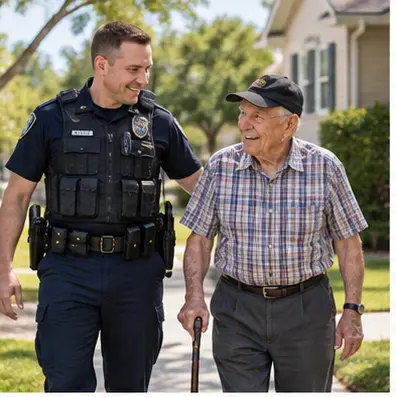
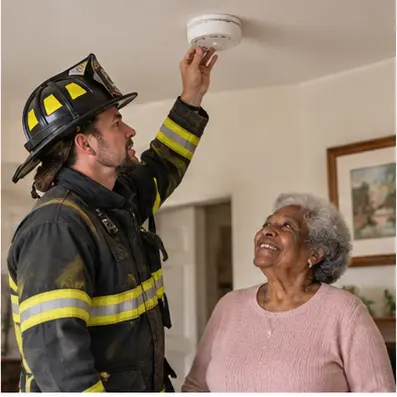
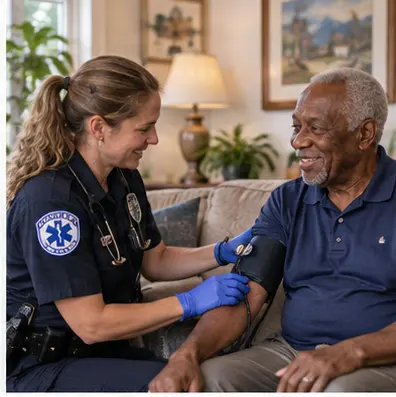
Safe neighborhoods require professional first responders, constitutional policing, reliable emergency communications, well-maintained facilities, and leaders who support honorable service. They also require prevention: youth opportunity, mental-health coordination, domestic-violence services, reentry pathways, safe parks, working lights, and rapid attention to dangerous public spaces.
The goal is not to choose between police and community. It is to bring them to the same table around specific problems, clear responsibilities, and measurable follow-through.
Fight flooding and infrastructure failure before the emergency
Drainage, roads, bridges, sidewalks, water, and sewer systems should be managed as connected public assets. Deferred maintenance can become a larger taxpayer bill and a greater threat to safety. Jacksonville should identify repeat failures, rank risks transparently, coordinate related projects, and distinguish temporary work from permanent repair.
Residents deserve a clear project phase: inspection, design, funding, permitting, procurement, construction, or maintenance. When another government, utility, or private owner controls part of the solution, the city should explain that plainly and coordinate the next step.
Fight high costs through disciplined government
Local government cannot set every household price, but it controls budgets, contracts, fees, maintenance decisions, permitting processes, and public incentives. Every major expense should connect to a public purpose, named owner, delivery schedule, and measurable outcome.
Savings claims must show the baseline, the method, the effect on service, and the verified result. Jacksonville should reduce duplication and delay while protecting the workers and essential departments that deliver real public value.
Fight job-access gaps with real pathways
Workforce programs should connect residents to actual openings, paid training, credentials, wages, and advancement. Employers, colleges, unions, skilled-trade programs, veterans’ groups, youth partners, and small businesses should help identify what Jacksonville’s economy needs.
Success should be measured through completion, placement, retention, and wage progress—not attendance alone. Public incentives should include enforceable commitments for investment, jobs, training, reporting, and remedies when promises are missed.
Ten-priority action standard
- Define the problem and publish a baseline
- Assign one accountable owner
- Protect legal rights and required public processes
- Set measurable milestones and realistic timelines
- Invite frontline employees and affected residents into the solution
- Report costs, delays, risks, and results publicly
- Correct a plan when evidence shows a better path
Help take practical solutions across Duval County
Campaign donations help us print detailed plans, organize neighborhood conversations, train volunteers, reach voters, and maintain responsible campaign operations. A contribution supports political communication; it does not purchase access, favors, contracts, or guaranteed policy outcomes.
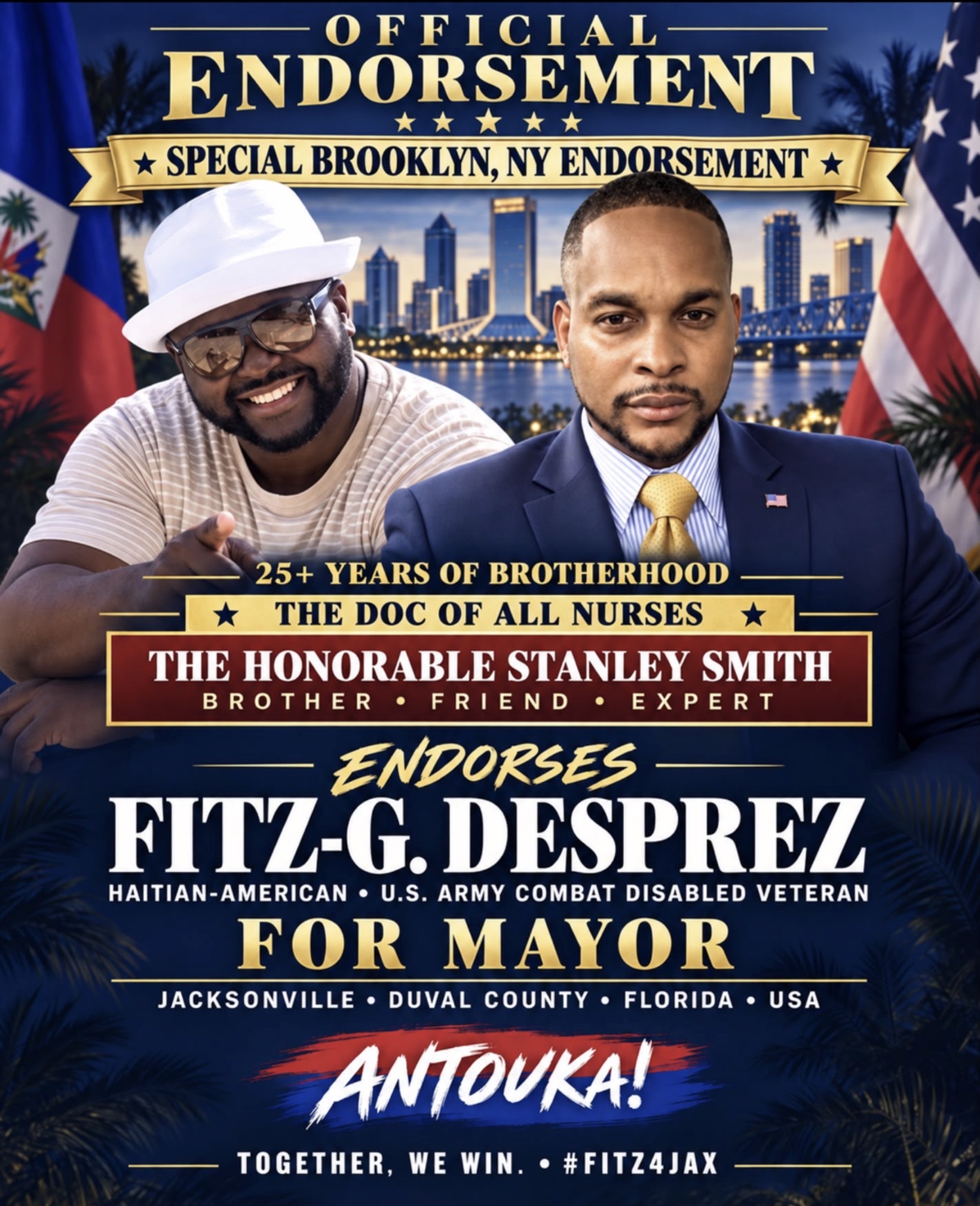
Donate through the verified campaign page if you can. You can also volunteer, share this plan, or invite five people to learn about the campaign. Together, we can replace frustration with accountable action. Together, we win.