SAFE NEIGHBORHOODS
Safer Jacksonville Neighborhoods: A Block-by-Block Public Safety Plan
By Fitz Desprez · September 12, 2026
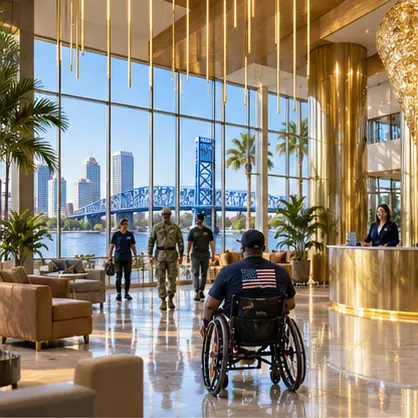
Safety is the first promise because every other opportunity depends on it. Families should feel secure at home, young people should travel safely to school and practice, businesses should be able to serve their customers, and first responders should have the equipment, staffing, training, and public trust needed to do their jobs. My plan treats public safety as a complete neighborhood mission—not a slogan and not the responsibility of one department alone.



A public-safety standard for every Jacksonville neighborhood
Jacksonville is one city, and a resident’s ZIP code should never determine whether a dangerous condition receives attention. My administration would begin by asking for a clear baseline: emergency response measures, staffing and retention trends, equipment and facility needs, repeat calls for service, lighting failures, abandoned-property concerns, and the status of high-priority safety projects.
That baseline would guide action and public reporting. Sensitive operational information must remain protected, but residents deserve understandable measures showing where service is improving, where delays remain, and who is responsible for corrective work. Honest reporting builds trust because it replaces vague assurances with visible progress.
Support first responders and insist on professional excellence
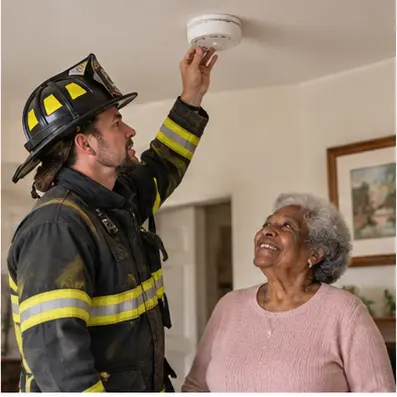
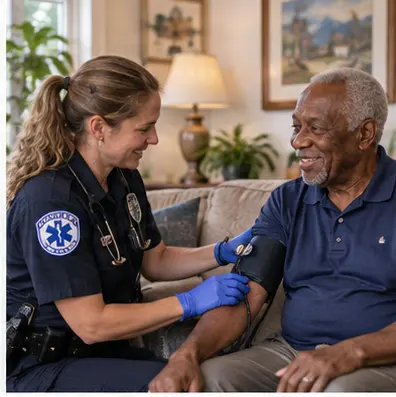
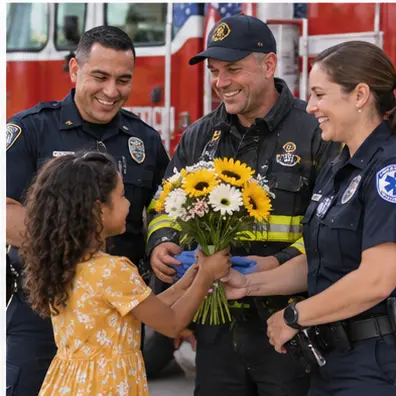
Police officers, firefighters, emergency medical teams, dispatchers, corrections professionals, emergency managers, and civilian employees carry enormous responsibilities. Supporting them means maintaining safe facilities, dependable vehicles and communications, realistic staffing plans, modern training, and strong supervision. It also means caring for the mental and physical health of the people who respond when others are in crisis.
Support and accountability belong together. Clear standards, constitutional service, reliable evidence, fair investigations, and transparent leadership protect both the public and the professionals who serve honorably. The goal is a culture where excellent work is recognized, problems are addressed early, and public confidence is treated as an essential safety resource.
Prevention is practical public safety
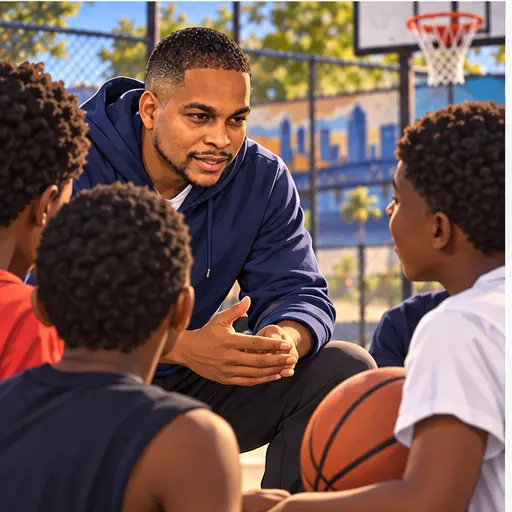
A safer Jacksonville must intervene before a young person, family, or neighborhood reaches a breaking point. Youth sports, arts, mentoring, paid work experience, mental-health partnerships, reentry support, domestic-violence services, and responsible violence-interruption efforts can reduce risk when they are carefully managed and measured.
Programs should not be funded simply because they sound promising. Jacksonville should track access, participation, completion, referrals, repeat involvement, and long-term outcomes. Successful local organizations should have a fair opportunity to compete, while programs that cannot demonstrate responsible delivery should be improved or replaced.
Fix the physical conditions that make people feel unsafe
Public safety is affected by the condition of streets, sidewalks, parks, vacant properties, drainage systems, and public lighting. A broken light near a bus stop, an overgrown lot beside a school route, or a damaged sidewalk can isolate residents and create avoidable danger. These concerns often cross departmental lines, which is exactly why the mayor must coordinate the response.
My Day One approach would identify repeated safety complaints and assign one accountable owner for each case. Residents should receive a tracking number, a realistic timeline, and an explanation when a permanent repair requires engineering, procurement, property-owner action, or City Council approval.
Police and community at the same table
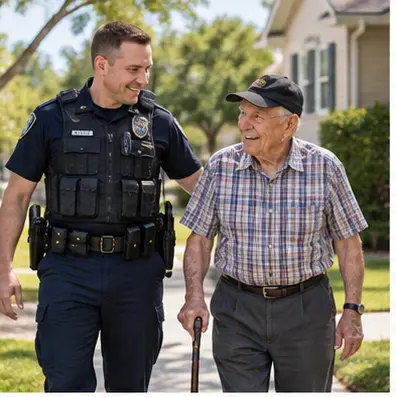
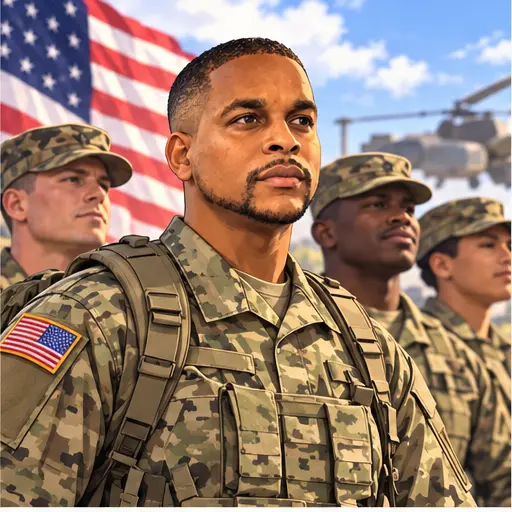
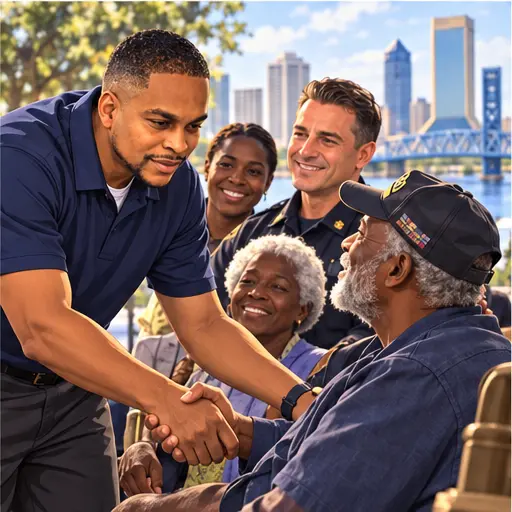
Trust grows through repeated contact, not one ceremonial meeting. Neighborhood leaders, faith communities, schools, small businesses, veterans, youth representatives, advocates, and first responders should meet around specific local problems and agreed follow-up steps. The purpose is to solve problems, clarify expectations, and make participation easier for residents who have never had access to City Hall.
I support a citywide No Crime Day as a focused opportunity for training, youth engagement, prevention education, emergency preparation, and public recognition. It would not pretend that crime disappears for a day. It would build relationships and practical knowledge that last beyond the event.
Day One actions and measurable results
- Request current public-safety staffing, response, equipment, facility, and retention reports
- Convene public-safety leaders and neighborhood representatives around urgent operational gaps
- Create a lawful public dashboard for service measures and corrective-action milestones
- Map recurring lighting, street, sidewalk, park, and abandoned-property safety concerns
- Review youth prevention and crisis-response partnerships for access, outcomes, and accountability
- Publish a 100-day progress report explaining completed work, barriers, and next decisions
Help carry the safety plan block by block
A campaign contribution does not purchase a policy outcome. It helps this campaign print literature, organize neighborhood meetings, train volunteers, communicate detailed proposals, and reach voters across Duval County. That outreach matters because a public-safety plan becomes stronger when residents and professionals can question it, improve it, and hold the candidate accountable.
If you believe Jacksonville can support first responders, protect civil rights, strengthen prevention, and deliver safer public spaces at the same time, join this effort. Donate through the campaign’s verified secure page, volunteer in your neighborhood, or share this plan with someone who wants a serious conversation about safety. Together, we win.