SPORT · SKILLS · SERVICE · REAL DUVAL
Jacksonville and Madrid: Brother-and-Sister Cities in Ambition
I see Jacksonville and Madrid as cities that can learn from one another: proud of identity, alive with sport, rich in culture and strongest when families share public life. “Real Madrid, Real Duval” is an aspiration—not an affiliation or endorsement by Real Madrid, the City of Madrid, any league or any sports organization.
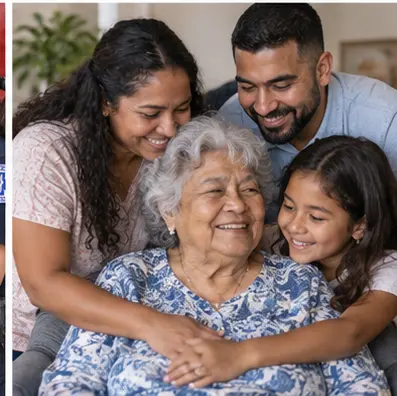
Mama, Dada—one city family
Jacksonville is big enough to dream and responsible enough to measure. I want children to see pathways from neighborhood recreation to coaching, trades, medicine, media, hospitality and professional sport. I want parents to find safe, affordable programs. I want seniors and veterans at the front of the plan—with accessible walking, wellness, social connection, transportation and places where service is honored.
Madrid demonstrates how sport can become part of a city’s worldwide identity. The Real Madrid Foundation operates international social-sports projects centered on education and values. Jacksonville should explore learning relationships while building a distinctly Duval model: locally governed, open to every neighborhood and accountable for results.
A professional soccer pathway
Early in the administration, I would convene soccer leaders, investors, youth clubs, colleges, venue operators and neighborhood representatives to assess a sustainable professional team. A league must approve ownership, market, venue and operating arrangements. Our job would be to assemble credible data, qualified partners and a community-benefit case.
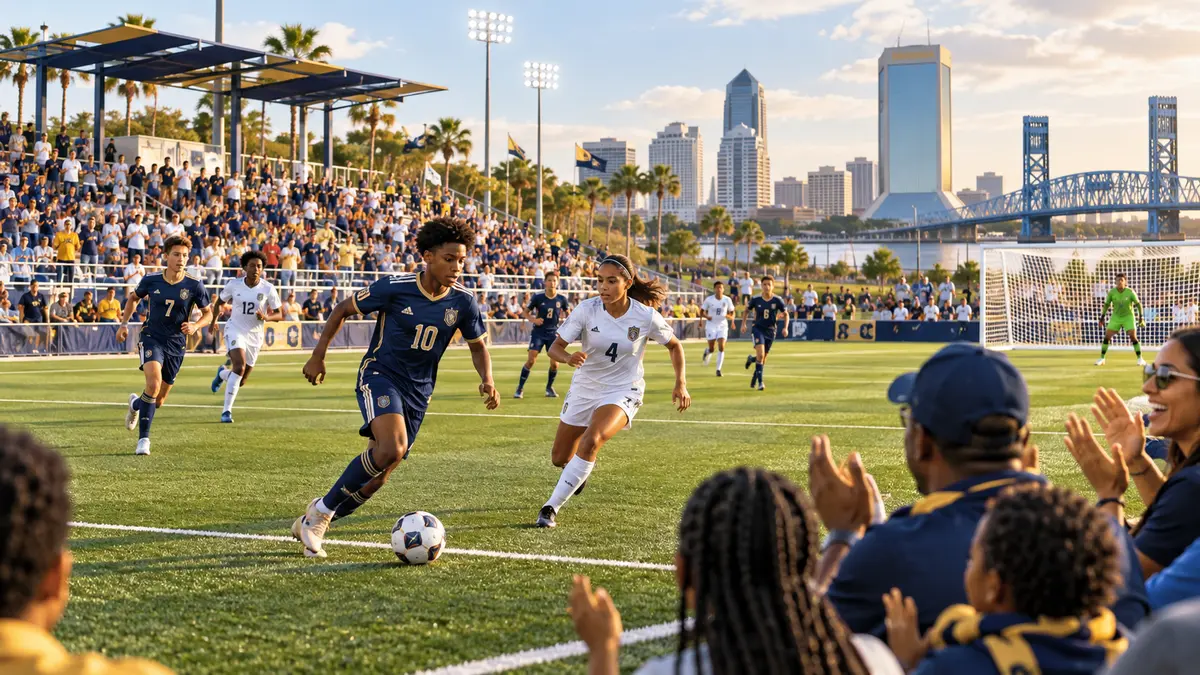
One option to study is an approximately 8,000-seat soccer stadium within a broader Westside sports and opportunity district. The working name “Jacksonville Mayor’s Office Play Grounds” would remain subject to public input and Council approval. Capacity would be set only after independent demand analysis, with expansion options studied rather than assumed.
More than a stadium
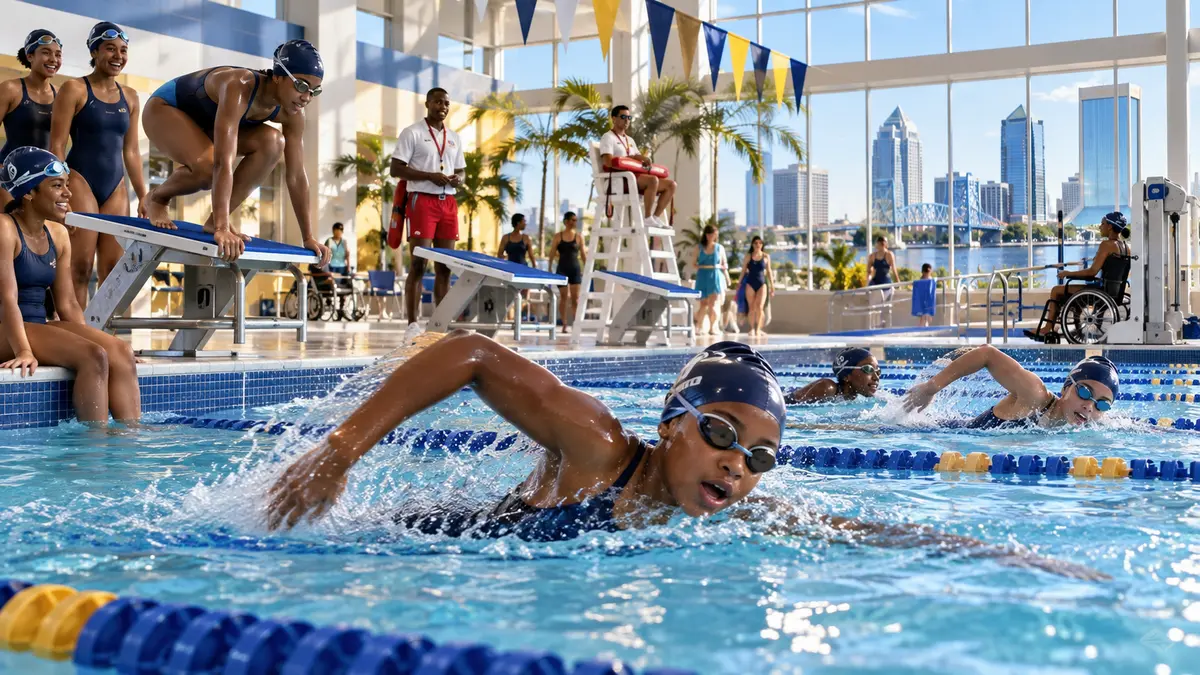
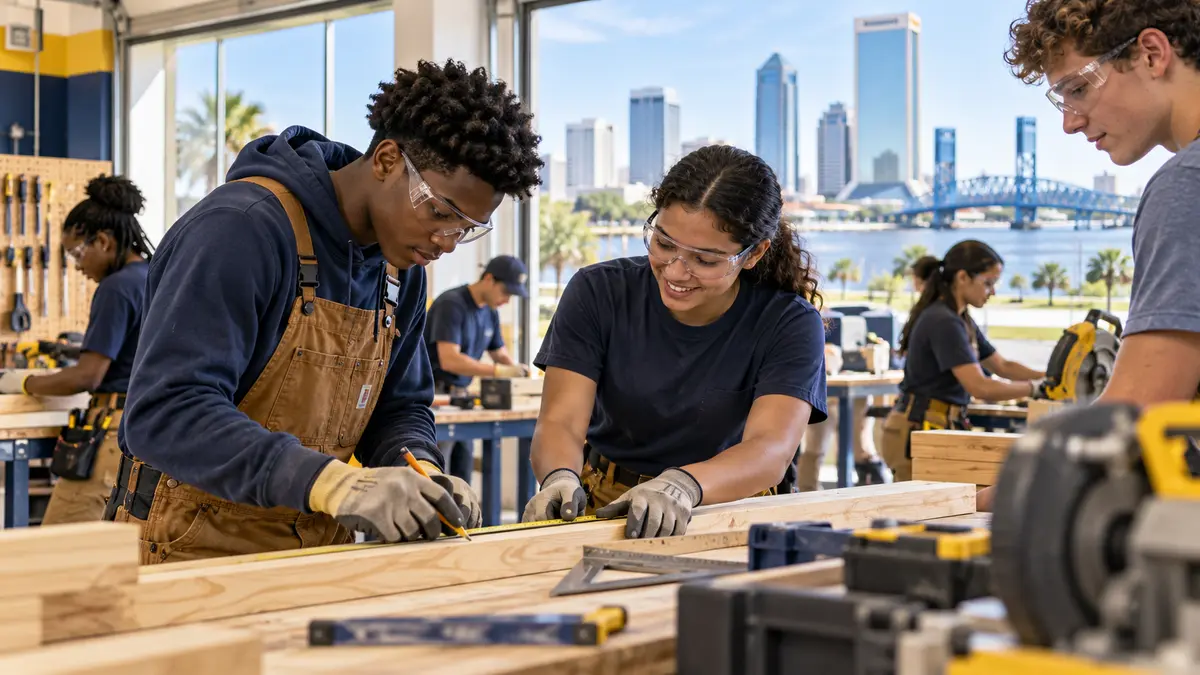
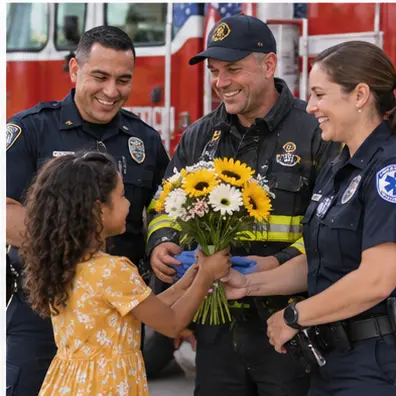
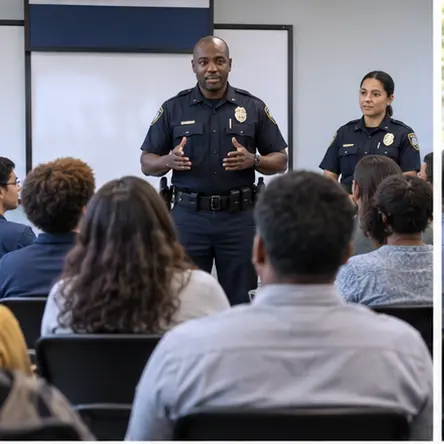
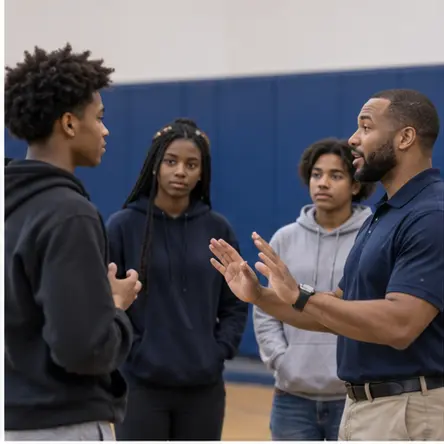
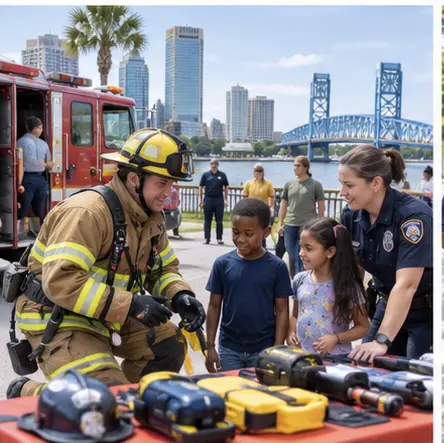
This district would connect play to a profession. Soccer and baseball fields could sit alongside martial arts, wrestling, weightlifting, handball and table tennis. Skilled-trades classrooms could prepare residents for plumbing, electrical and metalworking careers. Business and real-estate education could teach budgeting, responsible investing and entrepreneurship. First responders could train in dedicated spaces while participating in community fitness and mentorship.
Every room needs a calendar, qualified operator, measurable outcomes and a maintenance budget. A beautiful building that sits empty is not progress. A living campus that helps a teenager earn a credential, a veteran reconnect, a senior move safely and an athlete reach the next level is public value.
Six phases from concept to accountable decision
1. Prove the need
Map existing fields, gyms, schools, transit, vacant land and program gaps. Survey residents, leagues, colleges, first responders, seniors and veterans, then publish the demand assumptions.
2. Test the Westside concept
Identify candidate sites through lawful planning. Complete land, traffic, environmental, drainage, utility, accessibility and neighborhood-impact reviews before selecting property.
3. Build the partnership table
Invite soccer organizations, colleges, hospitals, unions, contractors, philanthropies, veteran groups and local businesses into a transparent request-for-information process. Interest is not an endorsement or contract.
4. Protect taxpayers
Model construction, operations, maintenance, insurance and lifecycle costs. Use competitive procurement and performance-based agreements. Require legal review, Council authorization and public disclosure.
5. Create pathways, not just buildings
Tie every field and facility to coaching, apprenticeships, certifications, internships, senior wellness, veteran support and scheduled public access.
6. Recruit events responsibly
Prepare evidence-based bids for soccer, NCAA events, wrestling, boxing and other championships. Governing bodies and promoters—not City Hall alone—award events.
Golf, equestrian events and championships
A championship-quality public golf concept could be evaluated separately, including water use, habitat, operating cost, public access and private financing. We would seek advice from golf organizations, course operators and environmental experts before proposing a location.
For a signature equestrian festival, the appropriate first outreach would include Churchill Downs Incorporated—the company anchored by the Kentucky Derby—along with equestrian governing bodies, Florida regulators, horse-welfare experts and experienced promoters. Jacksonville cannot make itself a Kentucky Derby stop by announcement. It can study a lawful, humane, financially credible event and earn consideration on its merits.
The same discipline applies to NCAA championships, major soccer matches, boxing, WrestleMania, AEW All In and other events. Jacksonville would publish a venue inventory, hotel-room analysis, transportation and security plan, bid costs and projected community return. We will pursue attention without sacrificing neighborhood services or hiding taxpayer risk.
Credit where it is due: Jacksonville already knows how to host
This vision starts by thanking the organizations that have already invested in Jacksonville. The Jacksonville Jaguars are a civic and economic anchor whose foundation, youth programs, volunteer work and game-day energy reach far beyond the football field. The Jacksonville Jumbo Shrimp have built affordable family baseball at VyStar Ballpark and entered 2026 as the reigning 2025 International League and Triple-A National Champions. The Jacksonville Icemen have cultivated professional hockey and family events at VyStar Veterans Memorial Arena. AEW’s history is deeply connected to Jacksonville and Daily’s Place, while WWE continues to recognize Jacksonville as a live-event market.
Those facts are evidence of capacity, not endorsements of this campaign. A future administration should listen to each organization, protect what is working and ask how public infrastructure, youth access, tourism and event coordination can help every anchor prosper. We do not build the next chapter by erasing the first one.
A respectful path to Major League Baseball
Jacksonville can prepare a serious case for a future MLB opportunity while remaining honest: expansion or relocation belongs to Major League Baseball and its clubs, and no mayor can promise a team. The campaign proposes a readiness effort that protects the Jumbo Shrimp, demands qualified private ownership and requires proof before public commitments.
Respect the baseball foundation already here
Begin with the Jacksonville Jumbo Shrimp, their fans, employees and relationship with the Miami Marlins. Major-league exploration must strengthen—not displace or diminish—Jacksonville’s existing Triple-A champion organization.
Commission an independent market study
Measure the regional fan base, television territory, population growth, household spending, competing entertainment, weather, travel patterns and realistic attendance across a full MLB season.
Form a qualified ownership working group
Invite locally rooted and nationally experienced investors who can satisfy MLB financial standards. The City should convene and evaluate; it should not pretend that taxpayers alone can own or operate a club.
Ask MLB for the correct process
Present market evidence to the Commissioner’s Office only when the league opens a formal expansion or relocation process. Jacksonville cannot award itself a franchise.
Protect public money
Publish capital costs, land value, infrastructure needs, maintenance, insurance, debt service and opportunity costs. No secret term sheet, unlimited guarantee or blank check.
Study appropriate sites
Evaluate existing sports-district, Westside and Northside options—not a new riverfront footprint—using transportation, drainage, utilities, neighborhood impact and room for year-round use.
Design for daily community value
Study a right-sized expandable ballpark with youth diamonds, coaching classrooms, sports medicine, public gathering areas and non-game programming.
Build corporate demand before promises
Secure independently verifiable interest in premium seating, sponsorships and season tickets before asking residents to carry risk.
Create a regional fan strategy
Market responsibly across Northeast Florida and Southeast Georgia while building affordable local access, youth nights and transportation options for Duval families.
Develop baseball talent
Partner with schools, colleges, travel programs and the Jumbo Shrimp on coaching, officiating, analytics, groundskeeping, broadcasting and front-office pathways.
Negotiate community benefits
Set enforceable goals for local hiring, apprenticeships, minority- and veteran-owned vendors, neighborhood investment, public access and transparent reporting.
Make phased public decisions
Require independent review, public hearings and City Council votes at defined milestones, with clear stop points when costs or demand fail the test.
Build a year-round visitor plan
Coordinate conventions, concerts, tournaments, restaurants and hotels without inflating projections or counting spending that would occur anyway.
Prove operating sustainability
Identify a competent operator, long-term maintenance reserve and risk allocation before construction begins.
Earn the league’s yes
Jacksonville’s final argument should be disciplined: committed ownership, demonstrated fans, a financeable venue, community value and a city ready to deliver.
Why a baseball ownership group could benefit
A credible owner would gain access to a growing Northeast Florida identity, year-round tourism, a strong military and veteran community, international port connections, college and youth baseball, regional corporate relationships and opportunities for sponsorship, hospitality and mixed-use programming. A Jacksonville club could create a distinctive Caribbean, Haitian, Latin American and Southern baseball identity while developing coaching, scouting, analytics and broadcasting talent.
The owner benefit must be mutual. A club receives loyal fans, coordinated infrastructure and a business-friendly city; Jacksonville receives contracted local hiring, apprenticeships, affordable access, youth investment and transparent community returns. Projections would be independently tested. The campaign will not count hypothetical visitors as guaranteed revenue or use civic pride to conceal financial risk.
A responsible proposal for NHL hockey
Jacksonville should also ask what it would take to earn future NHL consideration. The Icemen show that hockey has a home here, but an NHL club requires a different scale of ownership, arena operations, premium demand, media reach and league approval. Prior NHL expansion examples show the importance of a qualified ownership group, formal league authorization and demonstrated season-ticket demand.
Honor the Icemen first
Use the Jacksonville Icemen’s established fan culture and VyStar Veterans Memorial Arena experience as the starting point, not an obstacle.
Request an arena feasibility review
Test NHL seating, sightlines, premium inventory, locker rooms, ice plant, broadcast positions, loading, security and year-round scheduling.
Build an ownership group
Identify investors with the capital, sports-management experience and long-term commitment required by the NHL.
Approach the league respectfully
Ask the Commissioner’s Office what evidence Jacksonville would need if a future expansion process opens; do not imply the league has invited or endorsed a bid.
Demonstrate paid demand
If authorized at the proper stage, use refundable season-ticket deposits and independently audited corporate commitments, following the market proof used in prior NHL expansion.
Grow youth and adult hockey
Expand learn-to-skate, girls’ hockey, adaptive hockey, school programs and equipment access with qualified local partners.
Create a Florida rivalry story
Study regional broadcast, tourism and rivalry potential while recognizing that enthusiasm is not a substitute for financial evidence.
Protect the event calendar
Model how NHL dates would coexist with concerts, family shows, Icemen games and community events.
Plan mobility and safety
Publish parking, transit, pedestrian, rideshare, crowd management and emergency medical plans.
Use private capital first
Pursue ownership equity, sponsorships, naming rights and league-compliant financing before asking residents to assume risk.
Guarantee community value in writing
Negotiate local hiring, affordable seats, public ice time, youth access and neighborhood investment through enforceable terms.
Let evidence decide
Advance only if ownership, league interest, arena feasibility, public benefit and sustainable finance all withstand independent review.
For owners, the opportunity is a distinctive winter-sports market in a fast-growing region, more arena utilization, new sponsorship inventory, Florida rivalries, tourism packages and a youth-development pipeline. For residents, the bargain must include jobs, accessible tickets, public ice, school partnerships and responsible limits on taxpayer exposure.
UFC and boxing promoters: call Jacksonville
Jacksonville has already hosted major UFC cards, including championship events. That track record deserves to be celebrated and extended. My message to licensed UFC and boxing promoters is direct: call us. Bring the conversations, the title fights and the best main events—but bring them through a professional process that protects athletes and respects neighborhoods.
A City Hall event team would coordinate lawful venue selection, Florida athletic regulation, medical staffing, independent doctors, weigh-in logistics, transportation, hotels, broadcast needs, crowd security and local-vendor opportunities. We would publish public costs and benefits and never advertise a fighter, promoter or event before a signed agreement. The goal is to make Jacksonville the easy, safe and exciting place to do serious business.
Party promoters: safer nights and stronger businesses
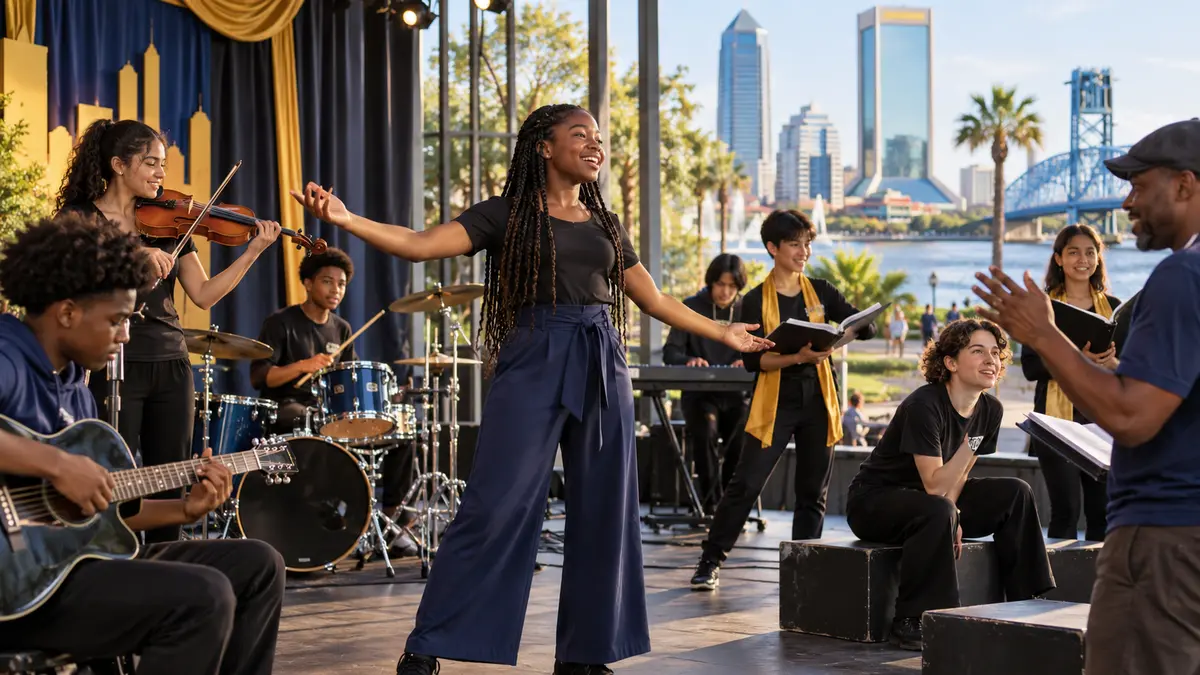
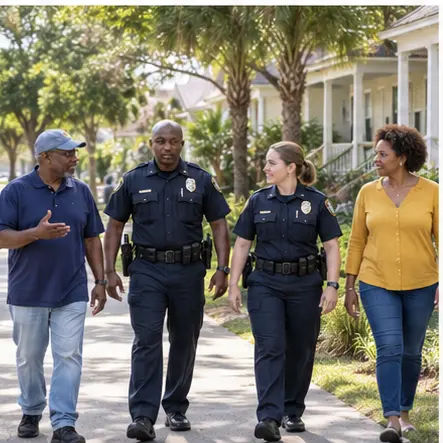
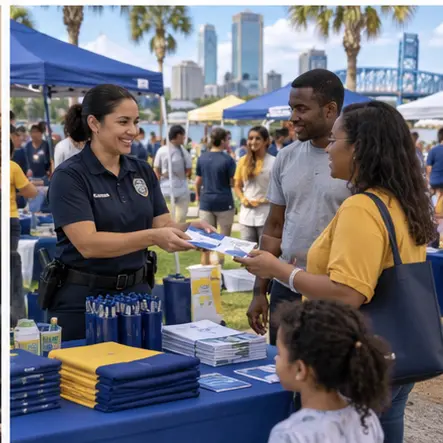
Concert, festival, club and cultural-event promoters should have a seat at the table. I would invite responsible promoters, venue workers, artists, residents, police, fire-rescue, transportation providers and hospitality businesses to design a safer-nightlife compact: predictable permitting, trained security, clear capacity rules, emergency medical plans, safe-ride partnerships, responsible alcohol service, noise and litter response, and a rapid route for resolving neighborhood concerns.
Safer does not have to mean joyless, and regulation should not become needless delay. Clear rules, one coordinated city contact and published review timelines can help lawful businesses plan, hire and prosper. In return, promoters must protect guests, workers and surrounding communities. Jacksonville can dance, laugh and celebrate while reducing violence, impaired driving and exploitation.
Partnerships with public accountability
Potential partners include team owners, leagues, builders, unions, hospitals, colleges, trade schools, banks, insurers, food operators, technology firms, nonprofits and philanthropies. Participation must be earned through open processes. Naming rights, sponsorship, philanthropy, leases and performance-based incentives may help, but every agreement should disclose who pays, who owns, who carries risk, what residents receive and what happens if projections fail.
I would send the City Council a proposal for an independent feasibility framework—not a blank check. Council and the public would receive milestones, alternatives, financial models, legal findings and stop/go decisions. Bipartisan oversight and neighborhood input would strengthen the work.
Seniors and veterans at the forefront
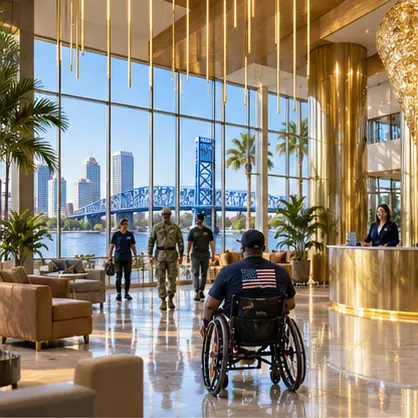
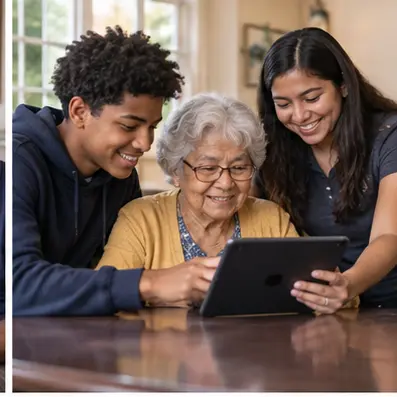
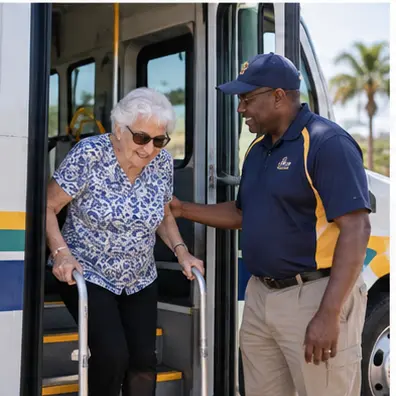
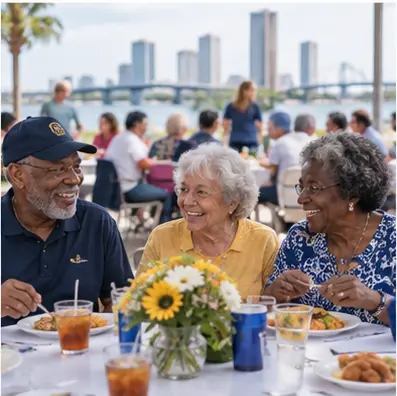
Sports investment should never suggest that only elite athletes matter. The campus concept includes veteran navigation, adaptive recreation, senior exercise, shaded seating, accessible transportation, preventive-health partnerships and spaces for friendship. Nursing-home residents and caregivers should be invited to games, performances and intergenerational programs. Those who built our city and served our country deserve access designed into the plan.
That is the Jacksonville I see: competitive without becoming cold, ambitious without abandoning essentials, and proud without leaving anyone behind. Real Duval means our people are the crown. We love sports. We love our seniors. We love our veterans. We love DUVAL.
Official reference points
40 interactive facility concepts
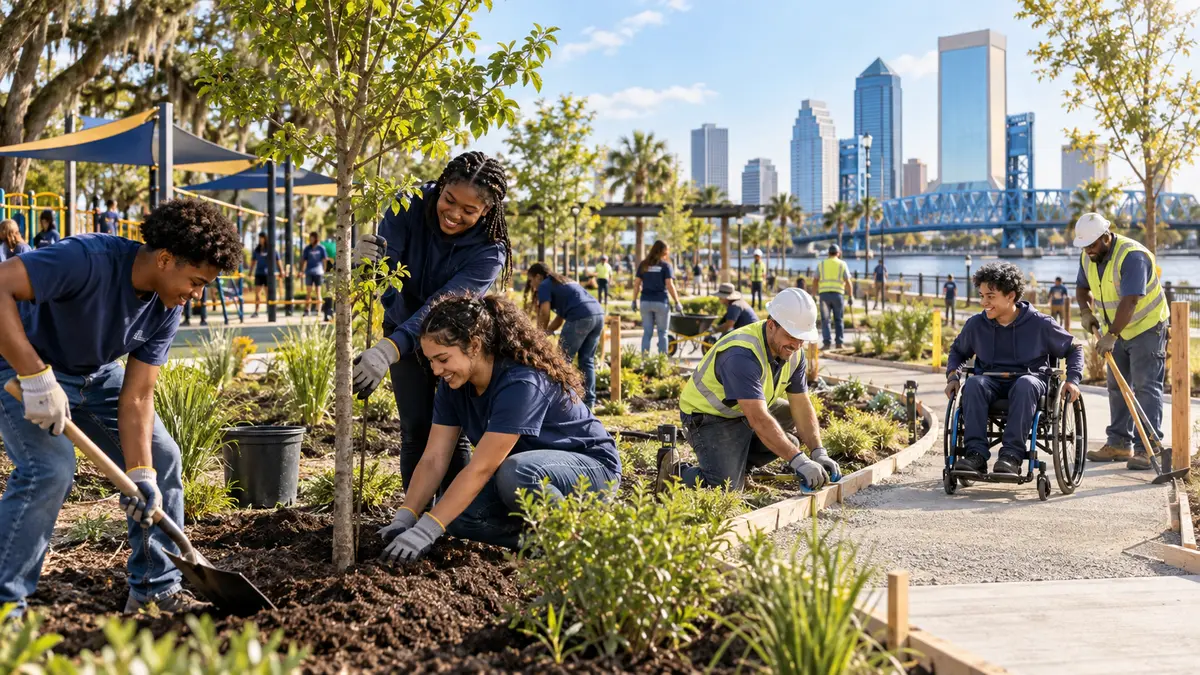
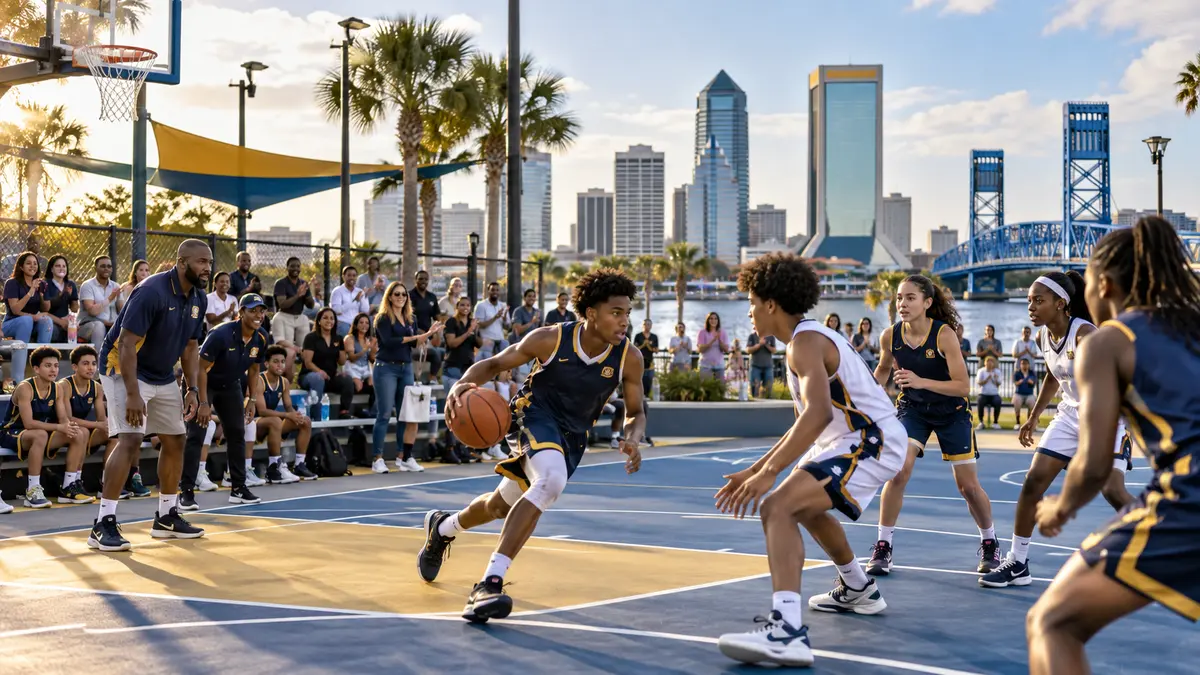
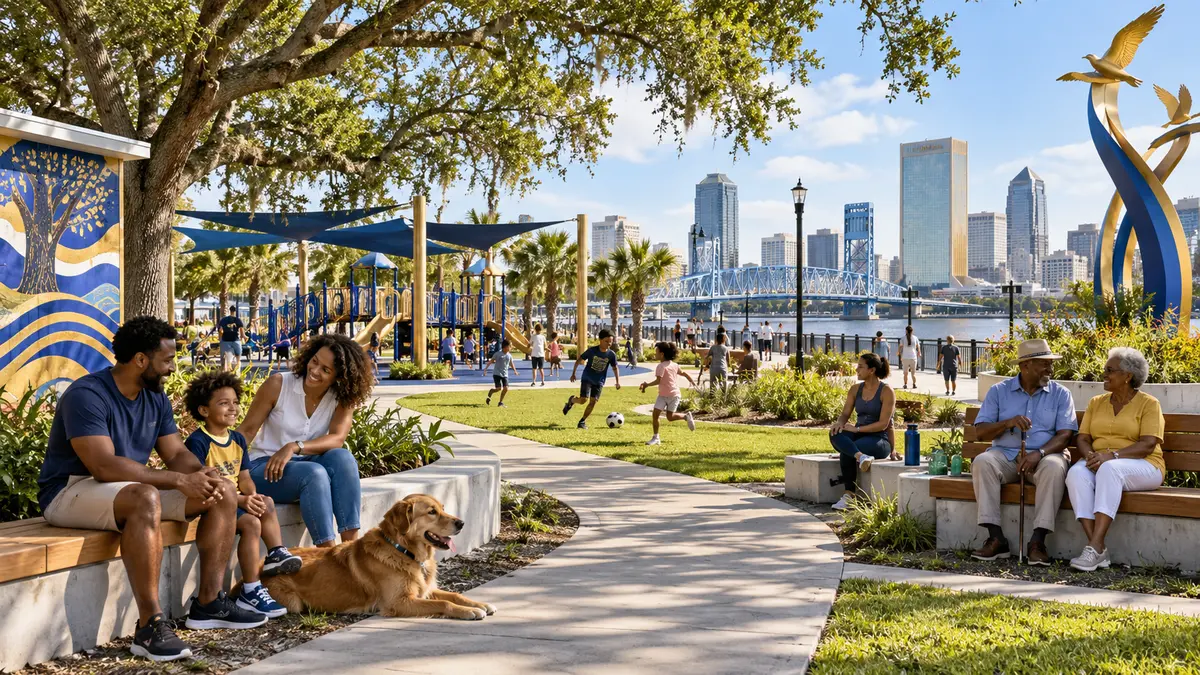
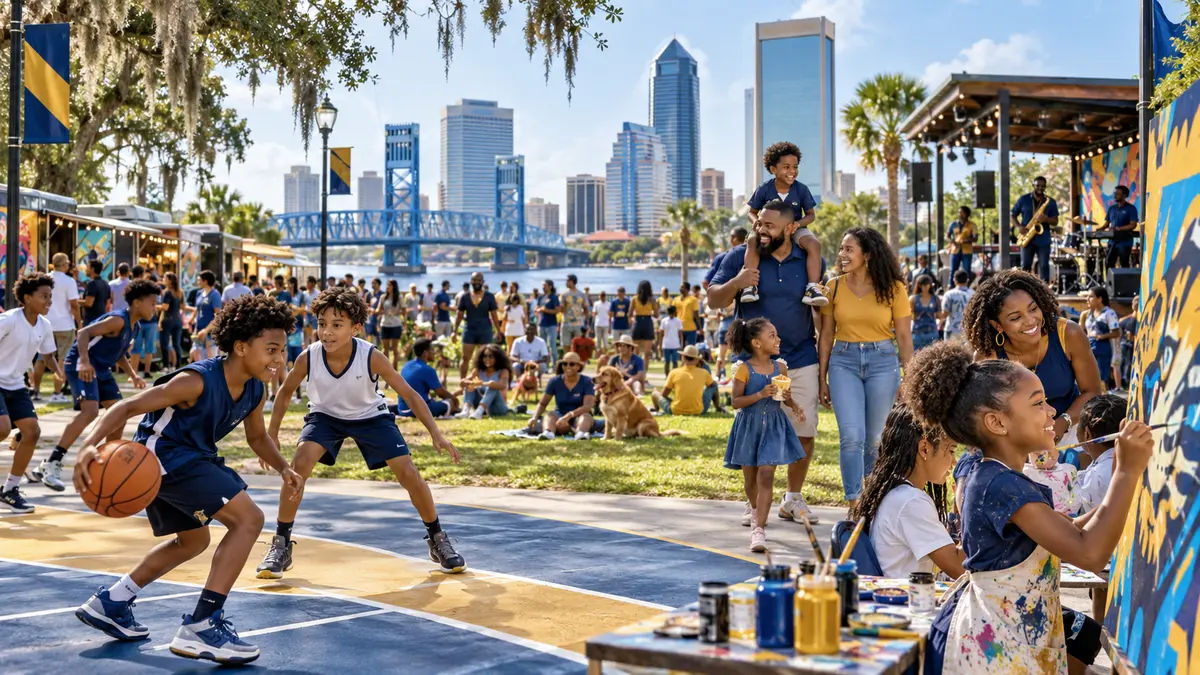
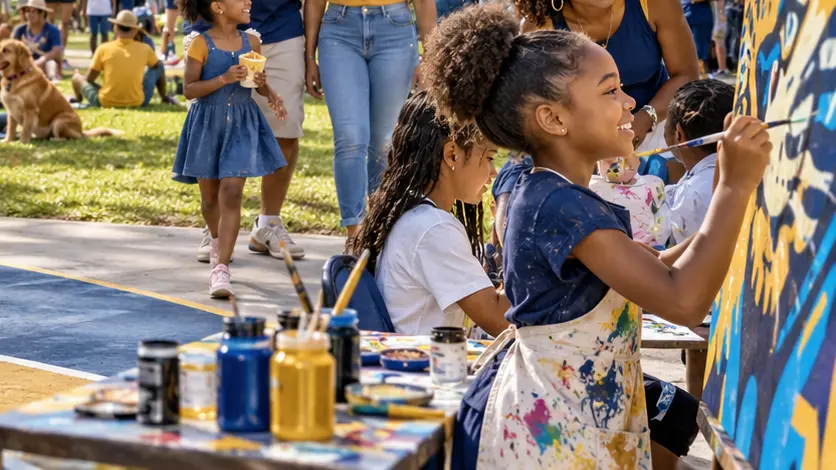
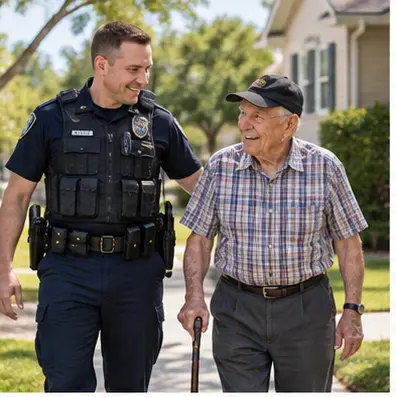
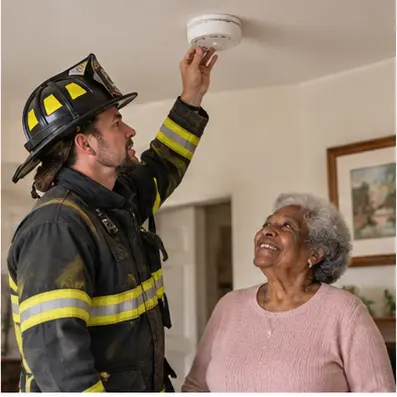
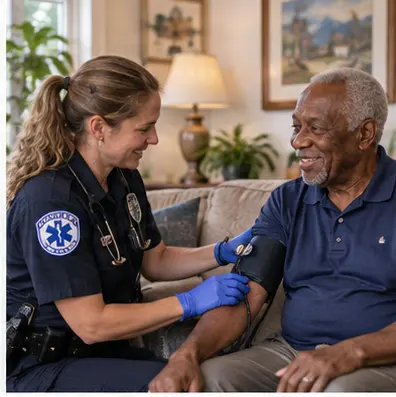
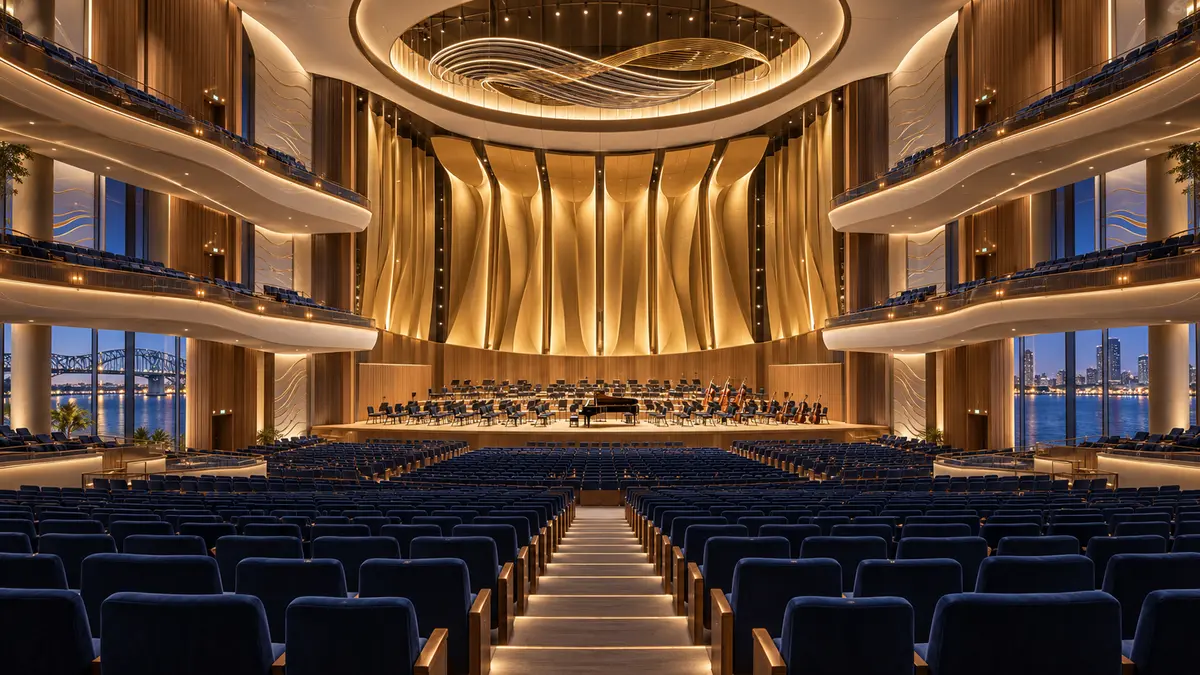
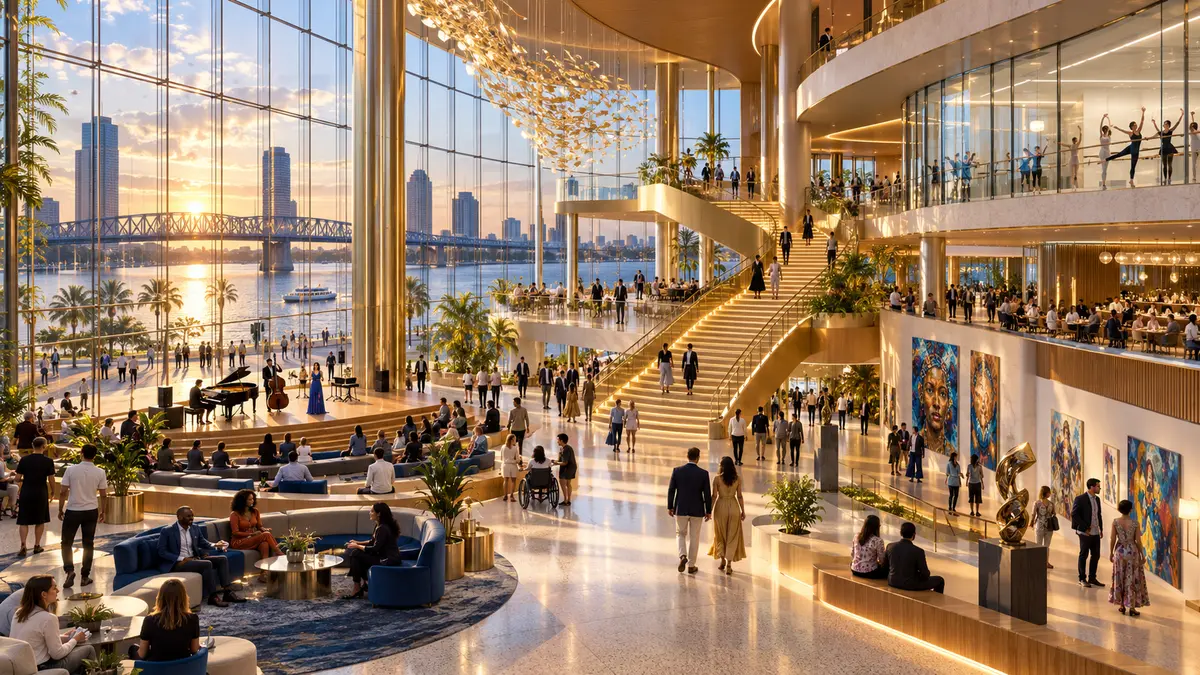
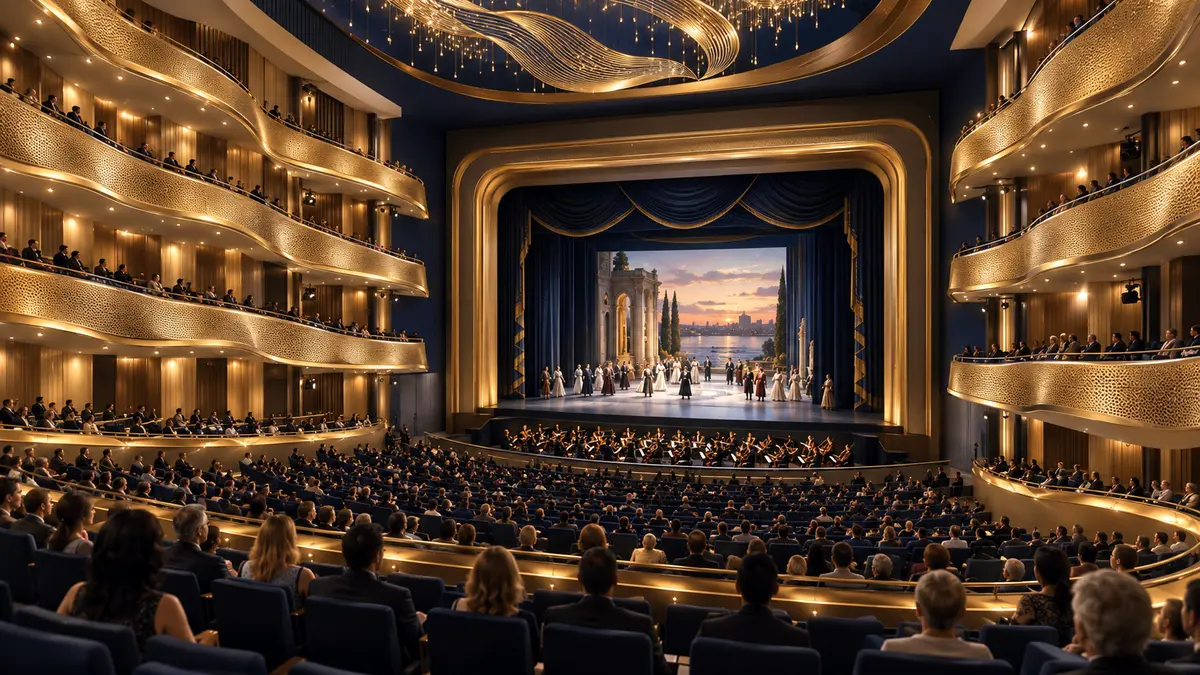
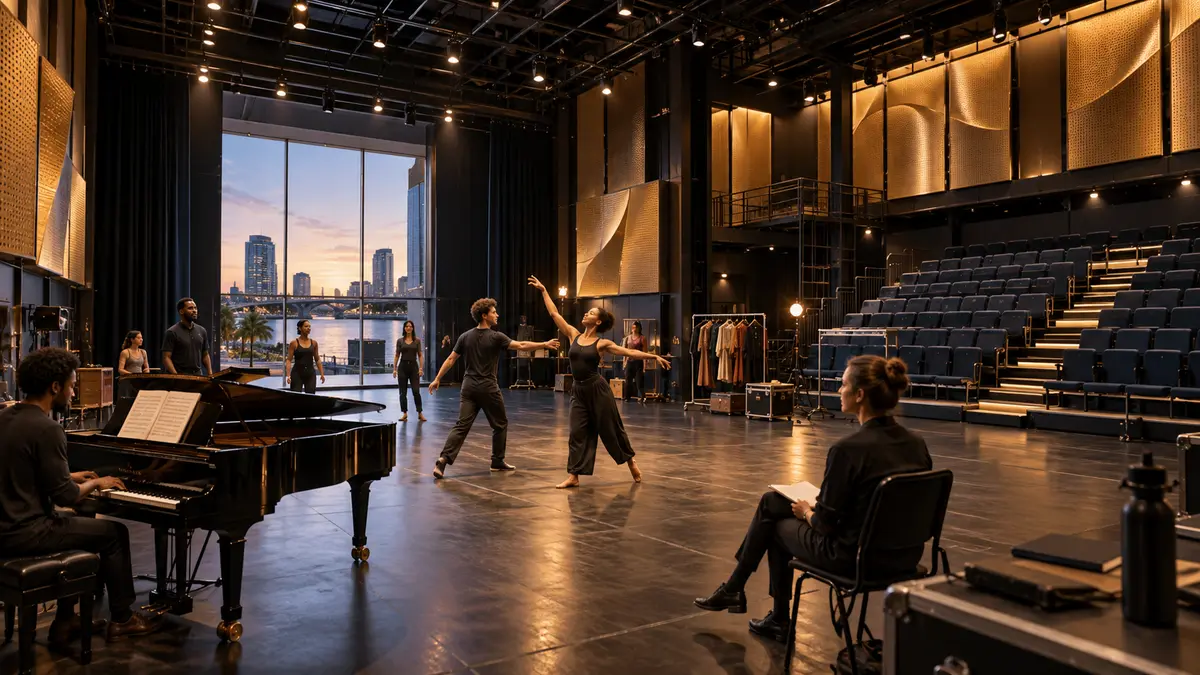
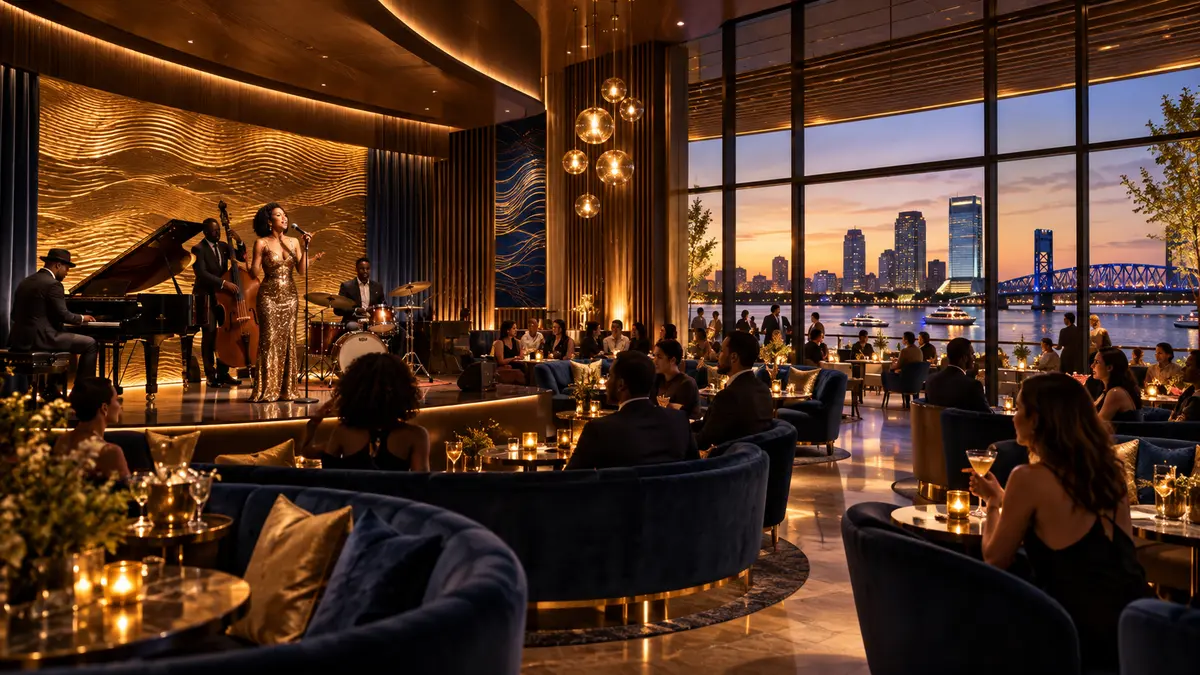
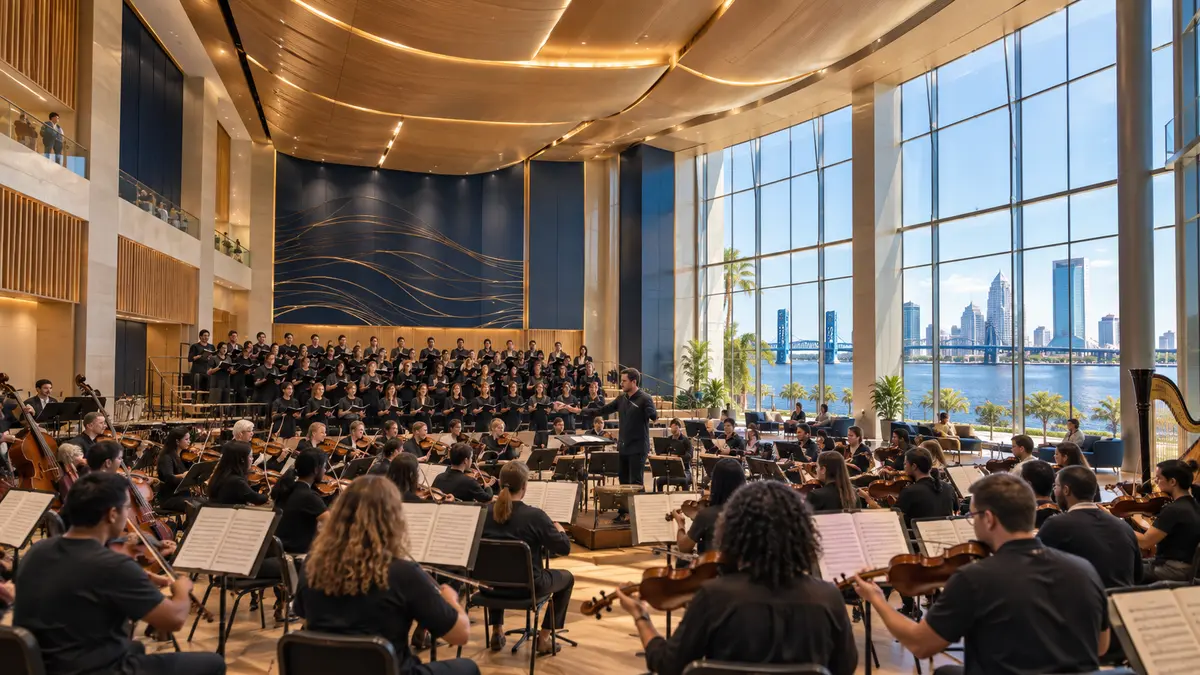
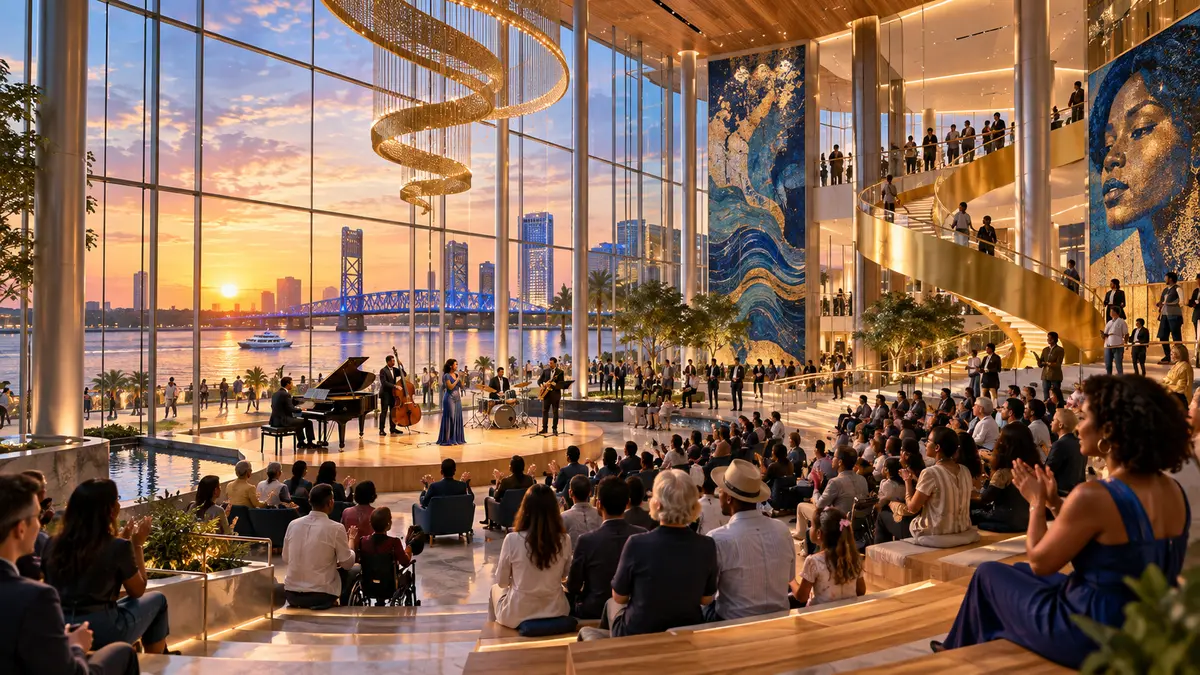
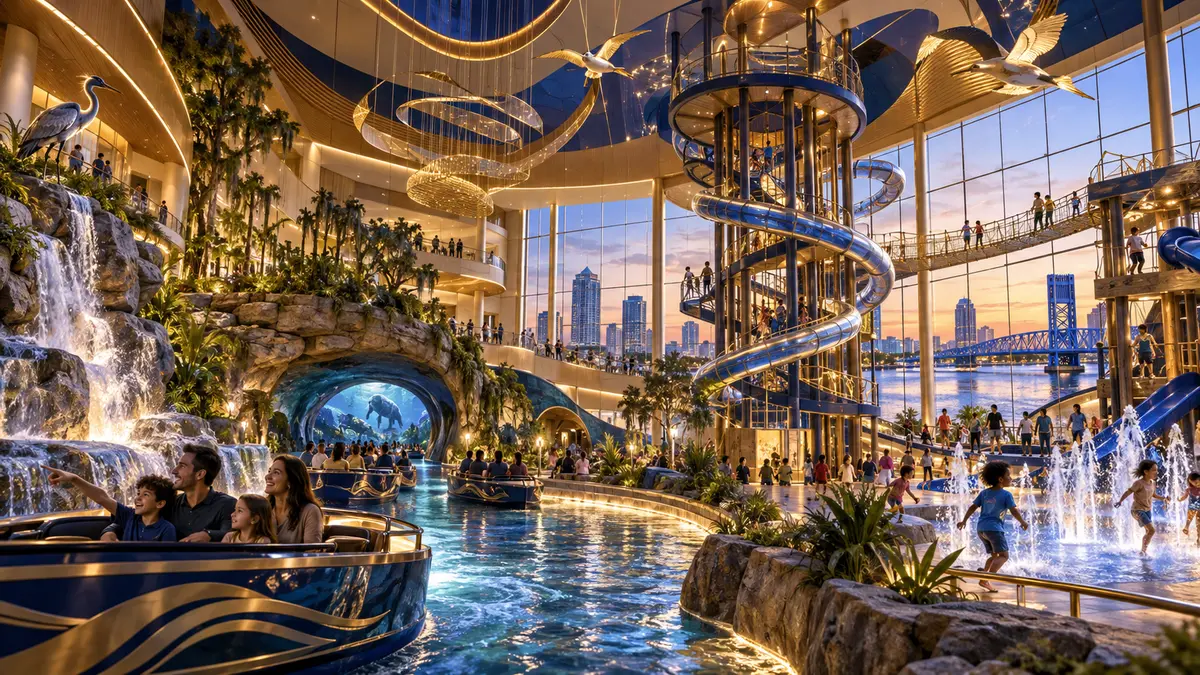
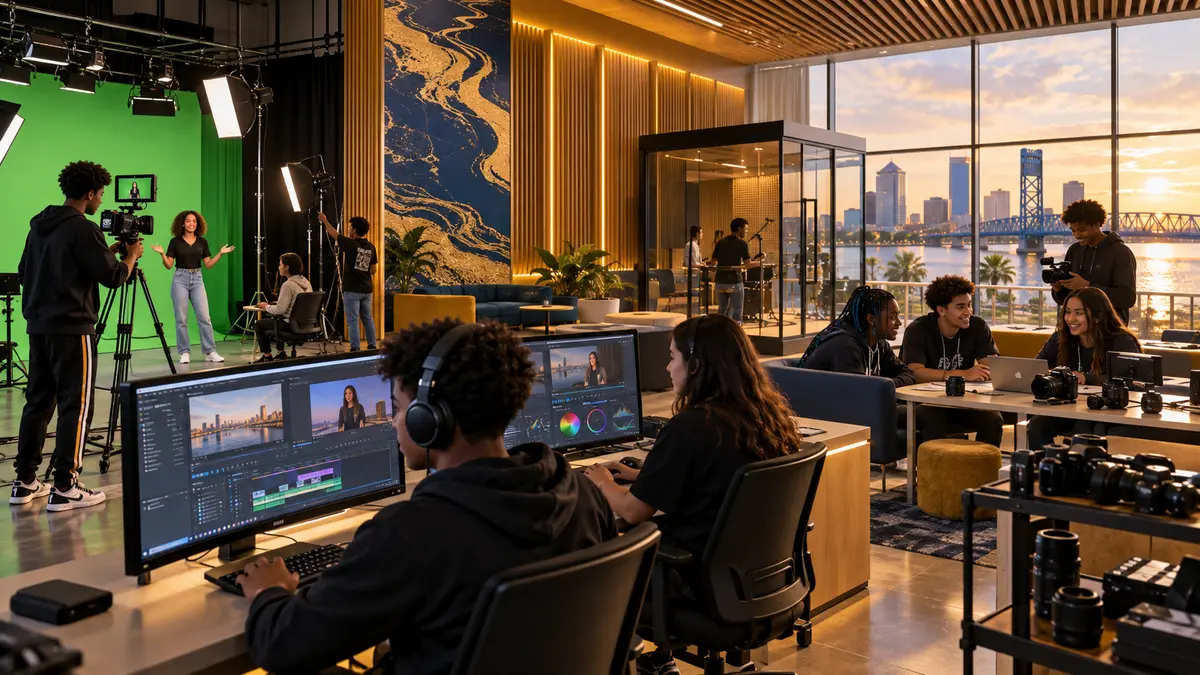
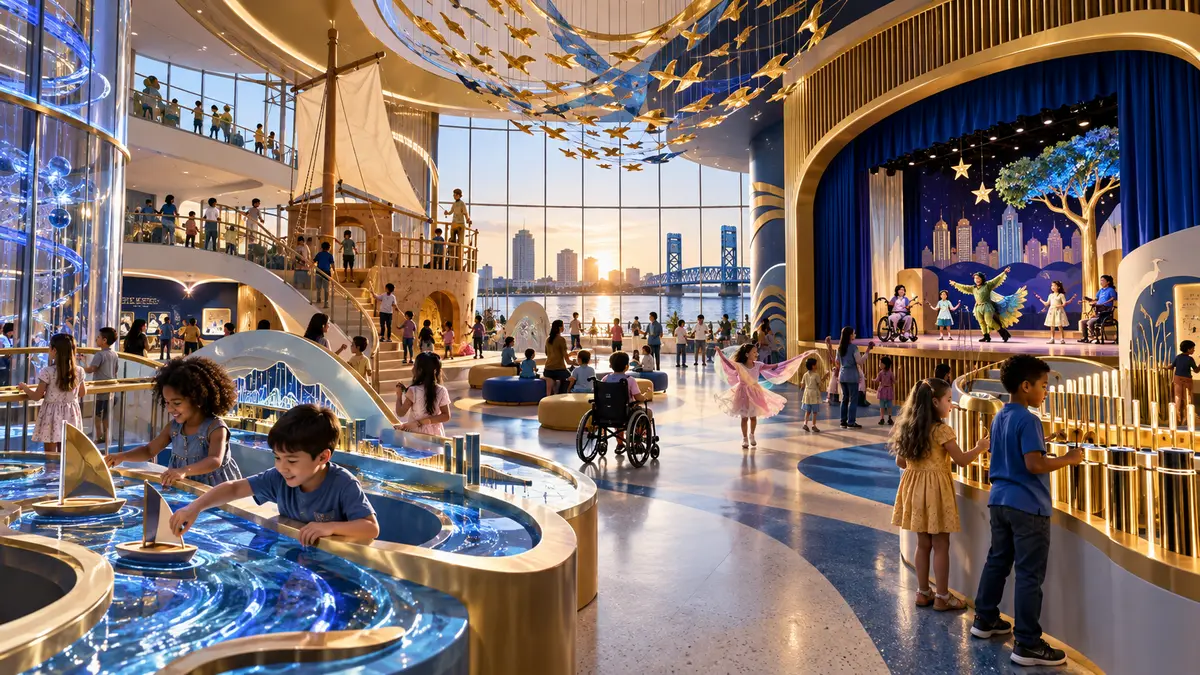
Tap or hover over an image to reveal its place in the proposal. Every image is an illustrative campaign concept and does not represent an approved site, design, partner or expenditure.




Political advertisement paid for and approved by Fitz Desprez, Republican, for Mayor.