LAW · ORDER · COMPASSION · ACCOUNTABILITY
25 Steps for a Safe, Housed & Accountable Jacksonville
I will be a law-and-order mayor—and I will never forget that every statistic is somebody’s child, parent, neighbor or friend. “Hi, Friend” means government approaches people with dignity. Accountability means violent conduct has consequences, victims are protected, programs prove their value and public power respects the Constitution.
The 25-step plan
Publish a public baseline
Map unsheltered homelessness, violent-crime hot spots, repeat calls for service, shelter capacity, treatment access and neighborhood conditions. Protect personal privacy while publishing useful totals.
Create one coordinated command table
Bring housing, public safety, fire-rescue, behavioral health, hospitals, courts, schools, veterans’ services, nonprofits and people with lived experience into a weekly operations meeting.
Prevent eviction earlier
Build a referral network for mediation, benefits, legal assistance and short-term stabilization before a family loses housing.
Use rapid-response outreach teams
Pair trained outreach workers with behavioral-health professionals and safety support so people can be assessed and connected to the right service.
Expand safe emergency shelter
Set clean, secure and accessible standards; create appropriate options for families, veterans, seniors, young adults and people with disabilities.
Move people toward stable housing
Use housing navigation, document recovery, landlord engagement, time-limited assistance and case management, with progress reviewed regularly.
Protect veterans from falling through gaps
Coordinate benefits, VA care, transportation, peer support and veteran-focused housing navigation from one welcoming access point.
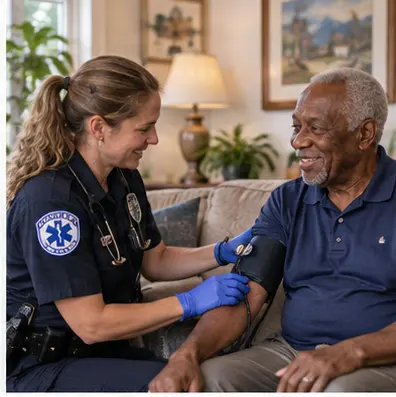
Build behavioral-health response capacity
Expand lawful crisis stabilization, outpatient care, addiction treatment and follow-up so police and emergency rooms are not the only doors available.
Target violent offenders with evidence
Focus investigative resources on shootings, armed robbery, domestic violence, trafficking and repeat serious offending—using lawful, evidence-based cases and due process.
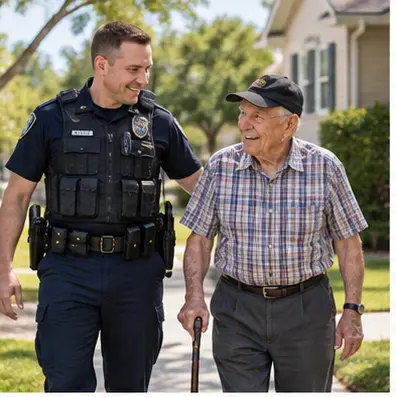
Strengthen community policing
Assign consistent neighborhood teams, publish contact routes, hold regular walks and meetings, and measure whether residents feel safer reporting problems.
Clear serious case backlogs
Work with independent justice partners to identify lawful staffing, evidence-processing and court-capacity solutions without directing prosecutorial or judicial outcomes.
Invest in witness and victim support
Improve referrals, trauma services, relocation assistance where lawful, and communication so victims are not forgotten after a report.
Interrupt retaliation
Fund accountable, evaluated violence-interruption and hospital-response partnerships targeted to people at highest immediate risk.
Make youth opportunity visible
Offer evening recreation, arts, mentoring, summer jobs, apprenticeships and safe transportation in neighborhoods with the greatest need.
Create a Good Neighbor recognition program
Celebrate residents, youth, businesses and public employees who document acts of service, de-escalation, mentorship, cleanup and lifesaving work. Recognition cannot replace pay or be used to hide misconduct.
Reward program progress
Use lawful incentives in voluntary housing, treatment, education and reentry programs—such as transit passes, credentials, work equipment and milestone recognition—based on transparent rules.
Support responsible reentry
Begin identification, benefits, housing, treatment and job preparation before release, then connect participants to accountable supervision and employers.
Enforce quality-of-life laws fairly
Address dangerous conduct, illegal dumping, property damage and harassment consistently while distinguishing crime from the condition of being unhoused.
Clean and repair public spaces
Coordinate lighting, litter removal, abandoned-property action, sidewalks, parks and code enforcement with clear response deadlines.
Use focused deterrence
Communicate clear consequences for serious violence alongside credible offers of employment, treatment, education and mentoring. Evaluate results and stop programs that fail.
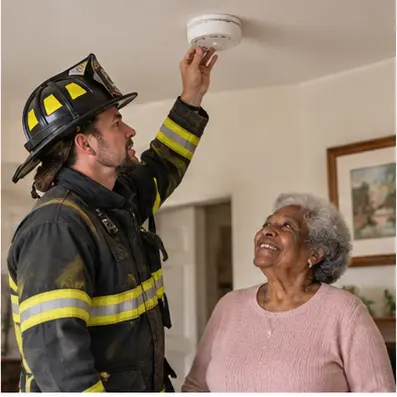
Equip and retain first responders
Prioritize training, wellness, communications, protective equipment, ethical supervision and competitive workforce planning.
Build a real-time service dashboard
Report shelter placements, returns to homelessness, response times, violent-crime trends, case milestones and neighborhood repairs in understandable language.
Audit contracts and outcomes
Tie public funding to deliverables, independent review, privacy protection and corrective action. Publish who received funds and what residents received in return.
Listen quarterly in every district
Hold structured public safety and housing sessions, publish answers and show which operational changes followed community input.
Review, improve and report
At 30, 100 and 365 days, report results, costs, failures and next actions. Safety is measured by fewer victims and more stable lives—not slogans or arrest totals alone.
A direct promise to people who have been left out
To every unhoused Jacksonville neighbor: I see you. You are not a nuisance to sweep out of sight. You are a person with a name, a history and a future. I will not forget you after Election Day. We will work for safe shelter, identification, benefits, health care, treatment when wanted, employment pathways and a realistic route to stable housing—while protecting neighborhoods and enforcing laws against violence.
To everyone living with PTSD: I am one of you. I know that strength and struggle can live in the same person. You do not have to prove your pain to deserve respect. Our city should make confidential, voluntary help easier to reach for veterans, first responders, survivors and families, and it should train public employees to respond with calm, skill and dignity.
To disabled residents: accessibility is not a favor. It is a civil right and a basic test of whether government works. Sidewalks, transit, parks, websites, meetings, jobs, emergency planning and public buildings must be designed with you—not merely discussed after decisions are made.
To everyone who has felt judged: whether you are straight or gay, what consenting adults lawfully do behind closed doors is not City Hall’s business. Let’s keep it that way—with a smile, a little “hmmm-mm,” and a big Jacksonville welcome. We do not have to agree about everything to protect one another’s privacy and dignity. Jacksonville, we do not judge people out of belonging. You are welcome here.
Big love to the Northside—Duval’s front porch. Big love to the Westside—the city’s strong shoulder. East Arlington, keep that river-breeze confidence. Southside, Mandarin, the Beaches, Downtown and every block between: bring your personality. Government should work for you, lower the daily stress and answer the phone.
Voluntary mental-health checkups across Jacksonville
Jacksonville needs more doors into care, not a citywide mandate to diagnose people. I propose voluntary, confidential behavioral-health screenings and wellness checkups through qualified providers at community clinics, schools with parental and student safeguards, veteran centers, first-responder programs, libraries, shelters and participating workplaces. Residents could choose a private screening, receive a referral and decide with a licensed professional what comes next.
The city would seek hospital, federally qualified health center, nonprofit and state or federal partnerships; publish wait-time and referral data without exposing identities; train frontline workers in trauma-informed response; and expand mobile crisis and co-responder capacity. Participation would never be a condition for ordinary city services, political support or public-space access. In a crisis, residents can call or text 988 for 24/7 judgment-free support.
Health care without humiliation
People engaged in sex work are human beings. Some are surviving economic hardship, some face coercion or trafficking, and people’s circumstances are not all the same. No occupation or life circumstance erases a person’s right to dignity, emergency help and respectful medical care.
A Desprez administration would convene lawful health and social-service partners to improve voluntary access to primary care, mental-health care, substance-use treatment, violence prevention, STI and HIV testing, reproductive and sexual-health services, benefits navigation and safe exit support for anyone who wants it. Outreach must reduce stigma, protect confidentiality and make a clear distinction between consenting adults and victims of force, fraud or coercion. Trafficking and violence demand focused enforcement and survivor-centered services.
This proposal does not change Florida criminal law, promise treatment that the mayor cannot personally provide or excuse exploitation. It says something more basic: a safer city does not drive people away from doctors. CDC guidance warns that stigma can deter people from seeking care, while federal health centers offer medical, dental and behavioral services. Peace in our streets grows when people can ask for help before a crisis becomes violence, disease or death.
CDC: mental-health stigma and care · HRSA: find affordable health care · UF Health Jacksonville Social Services Hub
How I would measure success
We would track reductions in homicide, shootings, repeat violent offending, victimization and unsheltered homelessness; faster connection to shelter and treatment; housing stability at six and twelve months; youth employment and program participation; first-responder response and retention; resident trust; and contract performance. Data would be reviewed for unequal outcomes, and independent institutions would retain their lawful authority.
I started this campaign as one man. Now I have the people. Together we work. Together we rise. Together we win. We can be strong without becoming hard-hearted, enforce the law without confusing poverty with danger, protect victims and welcome people home. Hi, Friend—you have a place in Jacksonville’s future.
Political advertisement paid for and approved by Fitz Desprez, Republican, for Mayor.